Availability Contracting - A process by which defence contractors are paid according to the amount of time that an asset is available
Technospirit Consulting offers over 15 years of first hand understanding regarding Availability Contracts and Performance Based Logistics, contracted throughout the supply chain in different ways. From prime contract Target Cost Incentive Fee (TCIF) arrangements like the Chinook TLCS2, down to smaller albeit tens of million pound sub-tier supplier contract arrangements for major LRU, the art of creating win-win availability arrangements is extremely well understood.
Turning a product-centric organization into a performance-centric one is exceptionally difficult - Eric Karofsky
Leveraging and extending earlier work on the BAE Systems ATTAC availability contracts, Rich Hartley spent over a decade assisting Boeing Defence UK within their TLCS and CESA Programmes for the UK Chinook Helicopter, initially in the ILS field but latterly as the full pan-solution lead for their TLCS-2 bid, at a published re-contract value of just over £600m.
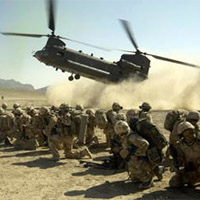
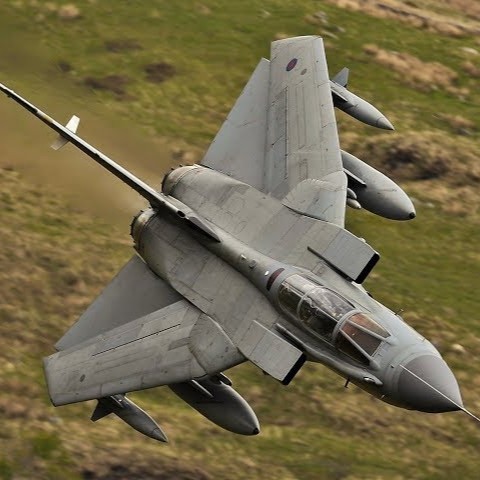
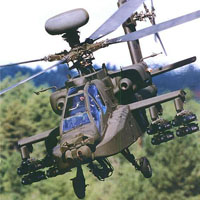
Performance based logistics and contracting for availability continue to be prominent within the UK MoD's through life strategy. As Boeing rightly increased it's capability and position in this discipline, the challenge became to take a successful service previously focused around major and minor aircraft repair lines and build upon it to encompass greater levels of support including future modifications, spares and in theatre assistance, whilst continuing to drive out non-value-added cost.
As such services developed and customer appetite for savings increased, it became necessary to look harder for mutual wins rather than simply taking on delivery risk for little or no reasonable return. As solution lead for the TLCS-2 re-contract, this required a holistic view of the service elements. Which were predominantly driven by supply chain and spares cost, yet also had several key engineering and technical support elements in the Support Engineering and Post Design Services areas.
Boeing Defence UKs growth in availability contracts included their winning bid for the Chinook Engine Support Arrangement (CESA). For which the bid team were also awarded the BDUK 2013 Managing Directors Award. 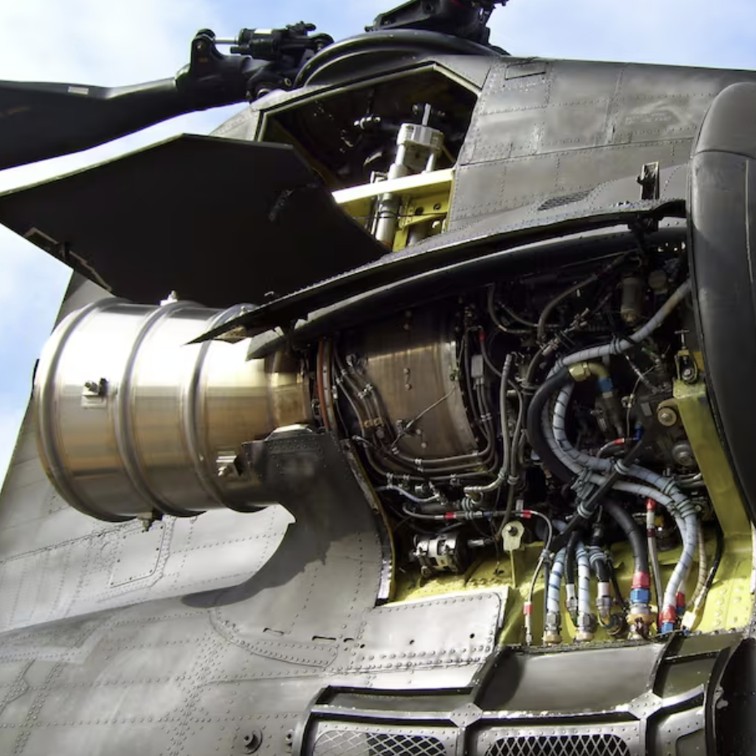 As solution lead and key contributor to the supply chain and cost models, Rich overcame many challenges. The solution offering was built from the ground up, by consulting with incumbents to map the full supply chain and co-creating a digital end-to-end model. This allowed risk profiling of repair event timings and types, together with a cost model against engine usage hours that was acceptable to all parties. The initial solution construct from 2013 endured and was successfully re-contracted years later. Rich was subsequently asked to red-team elements of the Apache LTTSS contract and solution led the Chinook TLCS-2 contract.
Using personally created processes and techniques, specifically designed for this type of contract arrangement together with appropriate software tools, Rich worked with the TLCS and CESA core team on a number of activities to strengthen the service offering and prepare it for future growth. An example of this included an end-to-end model of the engine supply chain, which accurately predicted engine usage and repair turnaround needs and with that in-year repair costs and risks. This early example of digital twinning allowed the CESA programme to reduce the risk based pricing of the contract offering within suitable confidence levels.
Working with BAE Systems on their ATTAC programme, APMP Project of the year 2007, Rich assisted their teams with both the initial contracting and the implementation aspects of a revised equipment supply chain solution for the Tornado military aircraft.
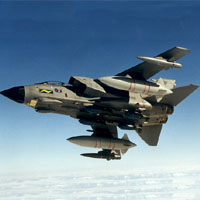
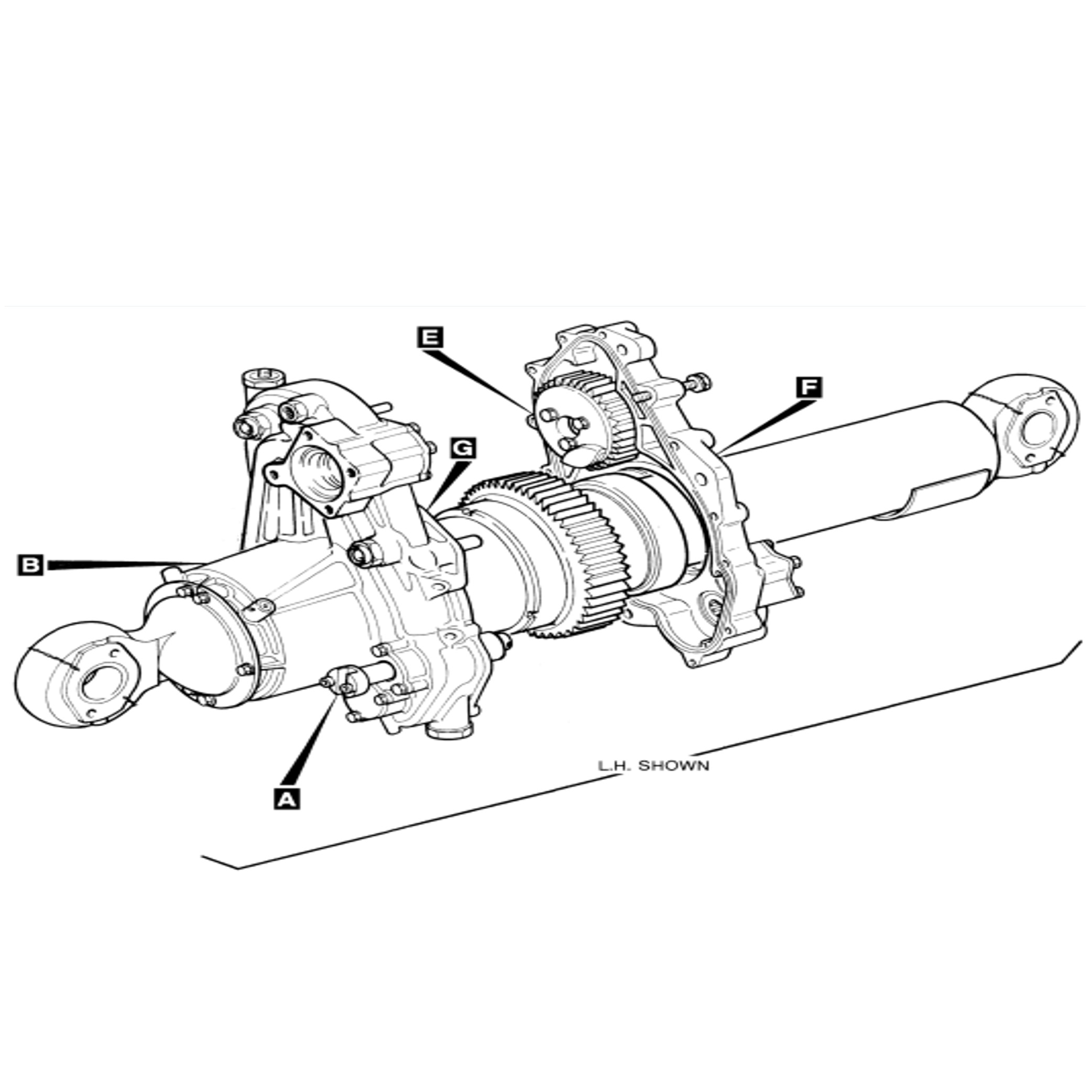
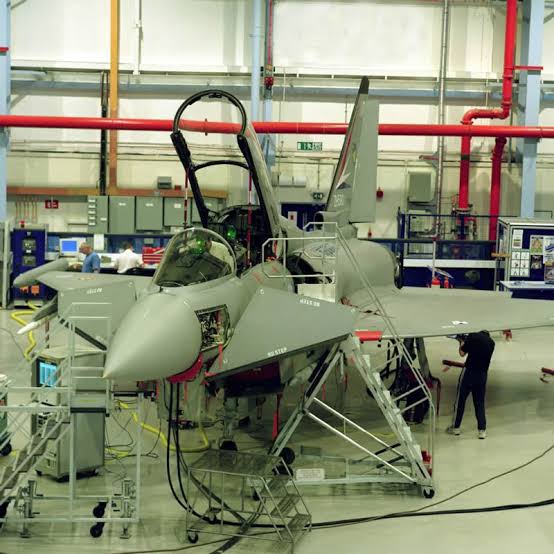
Fixed price and availability contracts were for some years more common place in the civil aerospace environment, but then saw increasing use in the military arena. Transitioning legacy military platforms, and their support, to more cost efficient and improved availability methods has been the challenge of several MoD and Industry partnered initiatives in recent years. Early military aerospace examples include ATTAC (Availability Transformation - Tornado Aircraft Contract), HPAC (Harrier Platform Availability Contract) and more recently TAS (Typhoon Availability Support). The concepts went on to be applied to helicopter and land vehicle support.
Arguably the biggest of the Aerospace availability projects around 2006-2010 was Tornado ATTAC, not only by value but also multi-national complexity. ATTAC presented many challenges to BAE Systems, and was widely accepted as their vanguard within the company for solution development and concept proving of military availability contracting. Rich was heavily involved within the initial bid teams on ATTAC in 2006, and then through the transition and delivery phase, and unlike other consulting staff gained a longer and more in-depth exposure to the delivery pitfalls associated to such a contract.
It became clear to Rich that even with the solid project led team approach on ATTAC, the functional areas of the company generated disconnected knowledge that required a better overarching approach to problem solving. Linking the commercial and economic reasoning of solutions to the engineering and supply of the supporting assets - in essence, the definition of true Systems Engineering across disciplines - was the answer and an approach that he stressed in all dealings with the various teams. Only by this approach did it become possible to create and enact supply solutions, from upstream contract through to Aircraft line, with savings in the millions. Further improvements were made by focused partnered support from the MoD customer and tight control of dependencies and GFx that they retained or supplied through the main ATTAC contract.

Further upstream, at the lower tier suppliers working for BAE Systems as a prime, the story and the negotiation was much different, sometimes particularly complex. With methods of risk sharing and performance contracting required to ensure the MoD customers needs were met, but within strict budget constraints generated by the main downstream contract. Rich was heavily involved, designing and writing availability based business agreements and conducting the negotiations of several international supplier contracts totalling over £40m.
In addition to the Supplier contract negotiations and initial solution agreement, transitioning the various Suppliers operational capabilities into new ways of working became a key consideration. Such that they integrated and improved their individual contributions to the overall ATTAC solution. Many lessons were learnt in this period and retained for future work.
In 2011, Rich completed his MBA dissertation on the subject of availability contracting, in support of the BAE Systems ATTAC programme. Containing lessons that still have relevance today and were later carried through to key work on Boeing Defence UKs flagship performance based contract Chinook TLCS.
Codification - the act, process, or result of arranging in a systematic form or code.
A key supporting aspect to Availability Contracting and Maintenance Approved Organization Scheme (MAOS) repair is that of understanding and controlling in-service reliability. Beyond theoretical design MTBFs and MTBRs, this provides the real life understanding of actual failure modes, causes and rates of failure. On mature projects where live data is being generated daily, collecting this data in a manageable way is crucial to allow fast and repeatable interpretation, and the subsequent LRU and system level improvements where they can be made.
As a live business example, a system of Repair Codification co-developed and trailed by Rich, was applied to aircraft LRU at repair agents, to complement aircraft level fault collection. This enabled implementation of an end-to-end solution, tracking real life aircraft level faults registered by pilots and aircraft right back to the actual source LRU. The system, first trialed with a third party repair agent on aircraft actuators and hydraulics, was then successfully extended out to cover Avionics and Structures components, and later to other repair agents and on-base repair facilities. Repair codification became an important cost saving element of MAOS activities.
In a real world example, the team had collected raw data showing a repeat failure type across multiple serials of the same major LRU. Failures which correlated to fitment on a specific Aircraft Tail No. This had so far resulted in faults in flight and collectively multi-million pound repair costs. Based on analysed findings, Rich requested to walk onto the 'repeat offender' aircraft in the hanger, asking technicians to remove a very specific aircraft-side mechanical connector interfacing the failed LRUs. To the surprise of the technicians they discovered a rounded off mechanical connector that would not have otherwise been found. Instead, quite simply, the aircraft would have continued to chew up high value assets. Without such systems in place, costs can spiral and aircraft sortie outcomes are put in jeopardy.