You can only elevate individual performance by elevating that of the entire system - W Edwards Deming
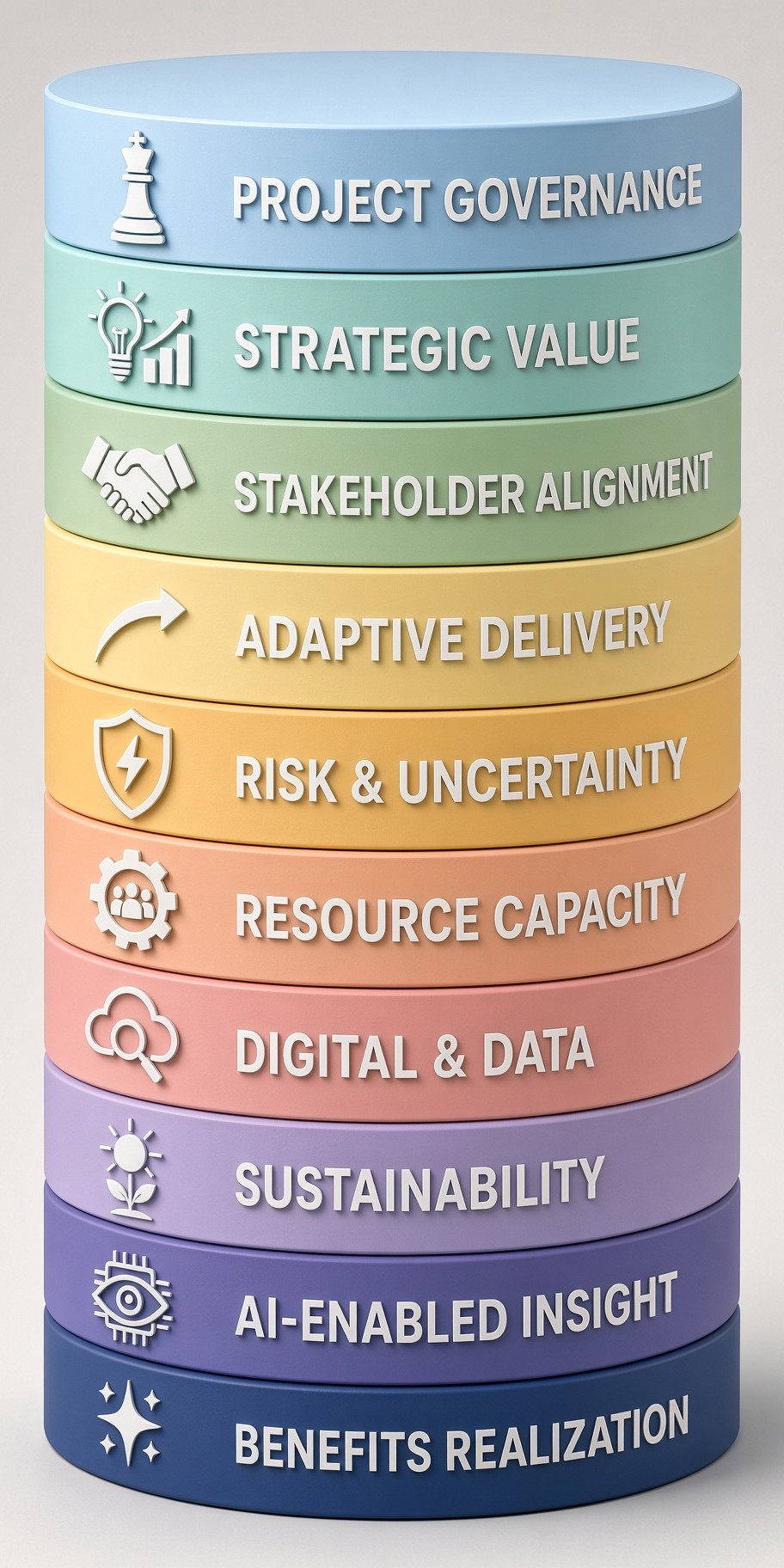
Technospirit Consulting offers project and programme management capabilities proven across a number of companies and industries. Formal PM training comes from specialist MBA electives, APMP and Prince2, whilst first hand experiences come from a number of challenging international projects. Having operated in both Engineering Manager and Project/Programme Manager roles within a number of well known Life Cycle Management systems - Boeing, Cobham, BAE Systems, MoD and more - Rich has learned from each. Overall this width of expertise gained working in and interfacing with the PM function, has repeatedly highlighted there is no one-size-fits-all. Yet this understanding also reduces the time to adapt quickly to new company or programme structures, improving overall outcomes.
With full development lifecycle and systems engineering experience, we can speak about your problem space, current programme position and what needs to happen to get things across the line.
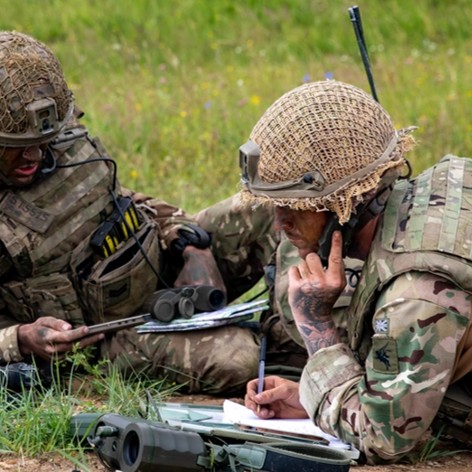
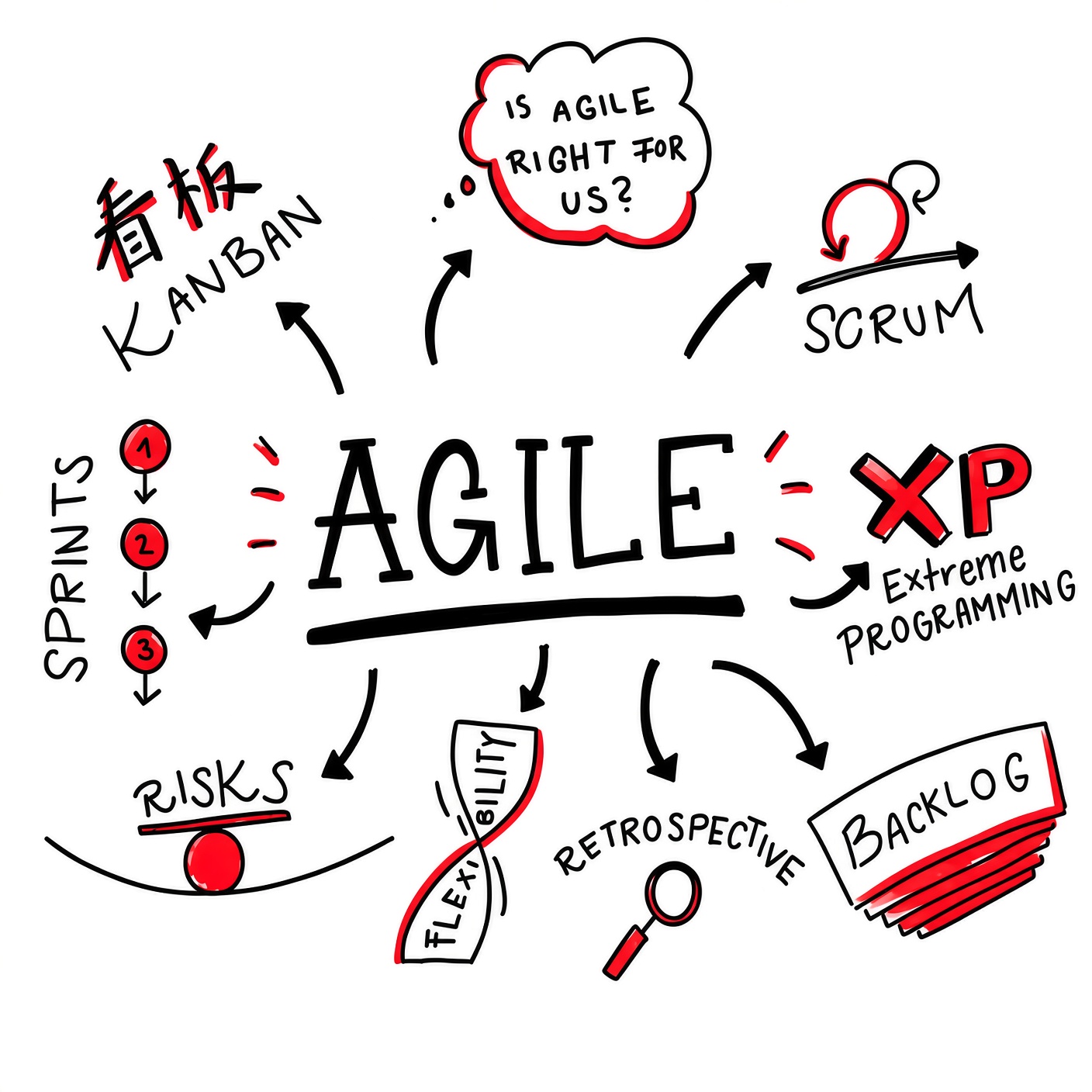
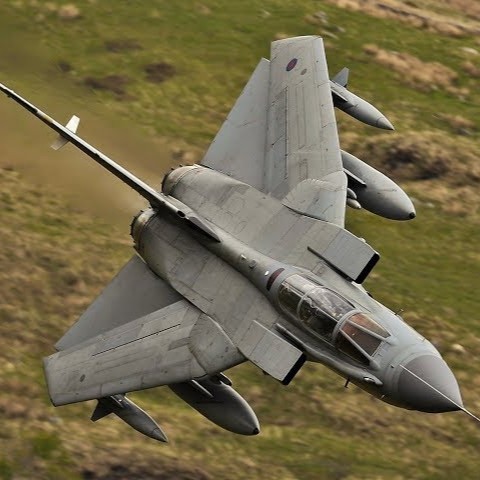
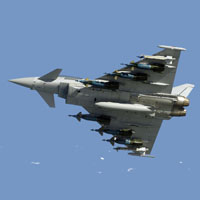
Managing development projects to time, budget and specification is crucial and Rich has amassed great experience at both the platform and individual equiment level. This includes an early career as an MoD Tornado flight trials Resident Project Officer at BAE Systems Warton, and development management of several new aerospace items from initial specification through to signed Design Declarations of Performance. More recently involved with development and field trials of digital communications technology designed for challenging transmission environments, developed within Agile and DevOps environments, this development knowledge now spans both hardware and software solutions.
 Regardless of good project planning, things rarely go without a hitch. How projects adapt is the difference between overall success and customer satisfaction..... or something else.
Military hardware test extremes are severe and in one example the failure of a simple surface-mount bead resistor caused significant concerns to a project timeline - on paper the resistor was just great. By working with the sub-contracted PCB supplier and rescheduling the test order, paralleling at risk, test articles were swiftly remade with alternate components, then qualification tests successfully completed. This was a good example of where programme risk management and planning, together with good supplier relations triumphed against Murphy's law. The customer received a full specification approved product and the supplier was invited to supply on the next equipment project.
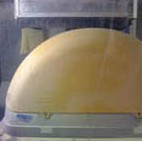
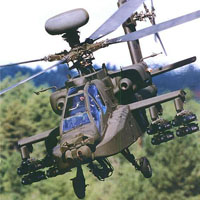
Creating on-target outcomes in bespoke production environments is challenging, and Rich has worked in a number of them. By example, working with Cobham Composite Technologies on their radome design and production programmes. Rich provided a Programme Management capability in both development and production environments on a number of high profile current projects and future bids. Cost control was roughly £5m in-year. Composite technology use in radomes represents a difficult balance between structural properties and electrical performance, to produce products that meet multiple needs on weight, shape, strength, and transmissive properties.
Using previously acquired strong Project Management and Risk management skills and applying them into the different field of aerospace composites, Rich dealt with higher tier customers such as Lockheed Martin, MBDA and QuinetiQ, solving difficult productionisation and operations issues, and crucially wedging essential design and development activities into sometimes highly constrained production programmes valued from as small as £40k up to ~£5m. A key issue faced whilst working within the business was the strong cultural dimension and the resultant effects at play within the departments that generated tensions at various levels. This in turn necessitated strong communication skills and careful balancing of differing priorities in order to achieve the project goals.
In a previous role, Rich took a contract as an on-site representative working at the Air France maintenance facilities in Paris, on behalf of a UK based supplier. This pivotal role provided the local focal point for all aspects of two premium class seating products in use within the majority of Air France's wide body fleet.
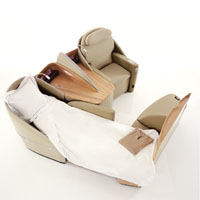 Dealing with all levels of Air France from board level management, hangar chiefs to maintenance techs, a single day could be head office morning coffee meets followed by ramp side support in the afternoon. From the engineering perspective the role covered new design introduction, product improvement and modifications, training, documentation, QA, project management, and specialist on site maintenance. All in an operational ramp environment. Achieving product robustness and fast maintenance were key issues in a very competitive marketplace.
Acting as a one-man-office abroad, Rich worked as the eyes and ears for the UK based supplier regarding the product and the customer, concerning both the current and the next generation of products, whilst providing a very customer focused and readily available liaison point. During this time Rich managed and trained teams of sub-contractors during cabin refits and operated as the specialist lead for retro-fit work both on and off the airframe. He was also cited by the Air France team for several key improvements to seating availability.
Dealing with all levels of Air France from board level management, hangar chiefs to maintenance techs, a single day could be head office morning coffee meets followed by ramp side support in the afternoon. From the engineering perspective the role covered new design introduction, product improvement and modifications, training, documentation, QA, project management, and specialist on site maintenance. All in an operational ramp environment. Achieving product robustness and fast maintenance were key issues in a very competitive marketplace.
Acting as a one-man-office abroad, Rich worked as the eyes and ears for the UK based supplier regarding the product and the customer, concerning both the current and the next generation of products, whilst providing a very customer focused and readily available liaison point. During this time Rich managed and trained teams of sub-contractors during cabin refits and operated as the specialist lead for retro-fit work both on and off the airframe. He was also cited by the Air France team for several key improvements to seating availability.
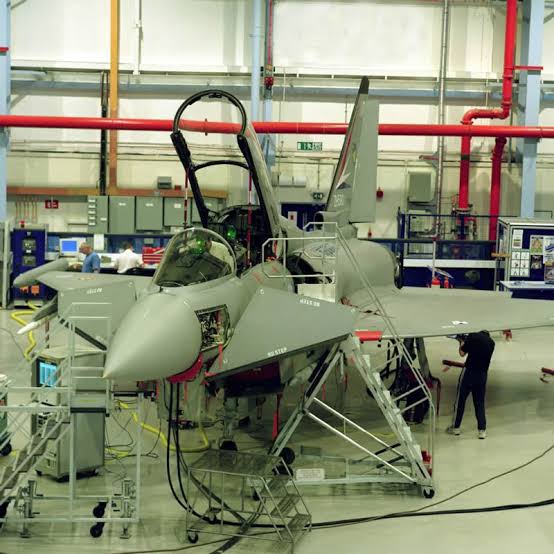
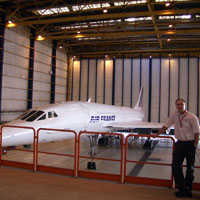
Many people expect similarities between production and maintenance environments that are often not present. Having worked actively in both, Rich understands the difference. It is often the 'discovery' nature of maintenance environments that upsets regimented 'production' type approaches when attempted. Complemented by 20 years of Integrated Logisitics Support experience, Rich has managed and understood problems and solutions specific to the maintenance environment. This includes amongst pulse lines for military aircraft, major checks of civilian air fleets @Air France Orly, and also within a number of sub-tier feeder companies and on-base bays.
When organisations take on risk and responsibility for other legacy repair providers, quality and safety must be reaffirmed. In one example working with BAE Systems, the need to assess and re-approve still in use MoD legacy 3rd line repair standards and documentation was required.
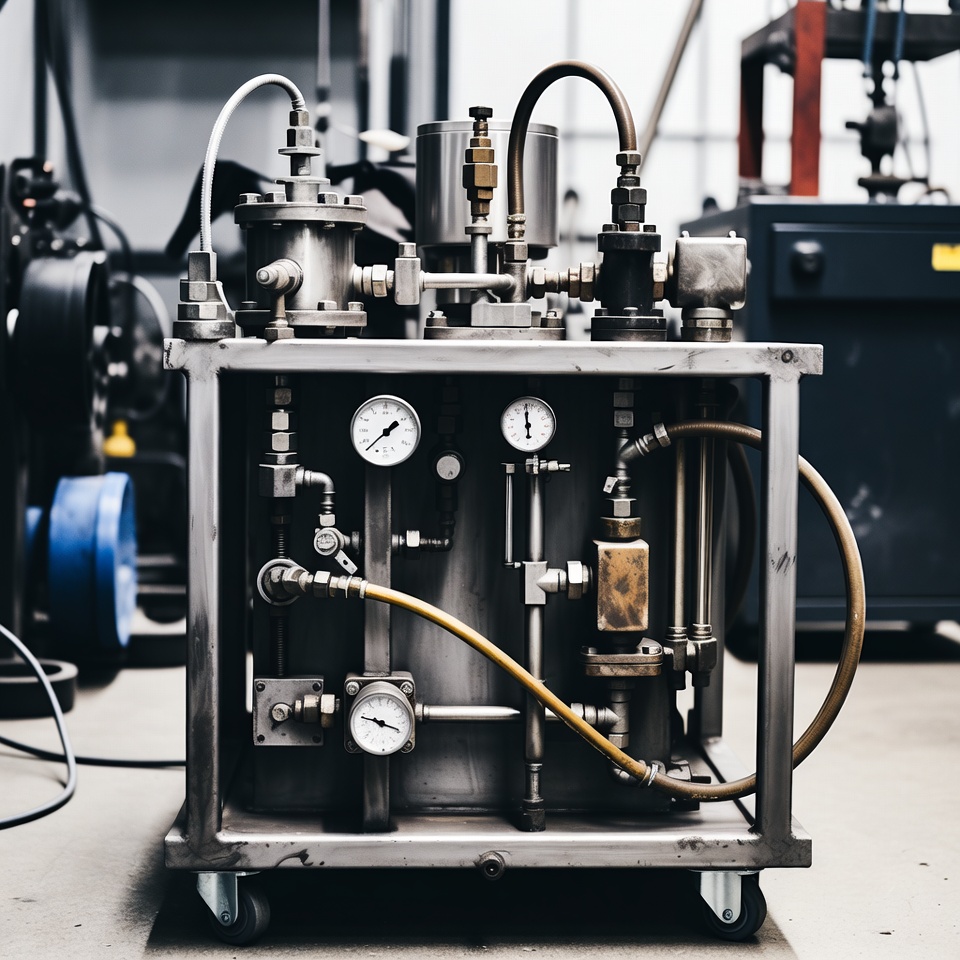 This assessment was undertaken by means of 'Repair Process Verifications' (RPV), performed both at desktop documentation level and on-site at suppliers premises. The process and methodologies used were initially drafted by Rich and another BAE Systems employee as a derivative of standard First Article Inspection procedures used on new build equipment.
Once trialed and agreed, the RPV process was enacted by small BAE Systems teams supported by Rich who offered first hand FAI and aerospace repair experience to the groups.
This assessment was undertaken by means of 'Repair Process Verifications' (RPV), performed both at desktop documentation level and on-site at suppliers premises. The process and methodologies used were initially drafted by Rich and another BAE Systems employee as a derivative of standard First Article Inspection procedures used on new build equipment.
Once trialed and agreed, the RPV process was enacted by small BAE Systems teams supported by Rich who offered first hand FAI and aerospace repair experience to the groups.
RECOGNITION - The RPV Process won a BAE Systems 2009 Chairman's Award for Transfer of Best Practice
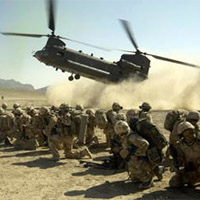
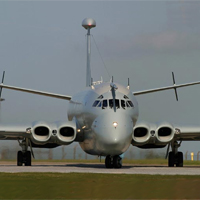
The majority of project and programme experience acquired over the last 30 years has been within international projects. Working with primes and sub-tiers from across Europe and the US at both platform and equipment level. This has given huge insight into the challenges of distance, culture, working virtually across timezones and achieving teaming and outcomes in complex environments.
Examples include:
In addition to the above examples, Rich was also asked to contribute as a mentor to the Boeing international leadership development programme. Giving insights to future leaders about working internationally within their flagship support programmes.